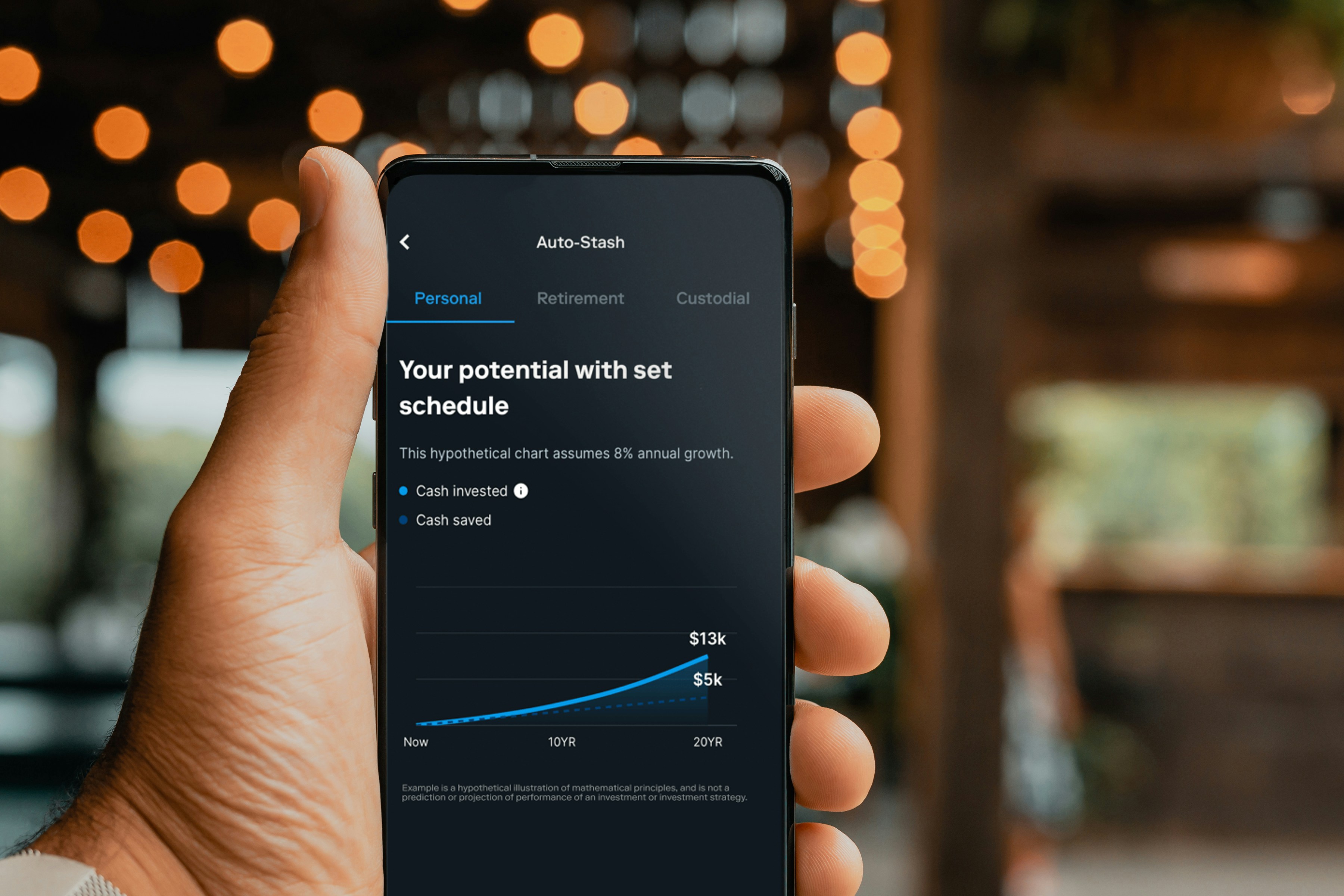
Introduction to AI in Personal Finance
Artificial Intelligence (AI) has seamlessly integrated itself into various aspects of our daily lives, and personal finance is no exception. As individuals seek smarter and more efficient ways to manage their finances, the evolution of AI technology presents an innovative solution. Over the past few years, advancements in machine learning and data analysis have enabled AI-powered applications and bots to assist users in budgeting, investing, and securing their financial futures.
The rise of AI in personal finance can be attributed to its ability to process vast amounts of data and draw insights that would otherwise be unattainable. Users now have access to tools that analyze spending patterns, predict future financial trends, and provide recommendations tailored to individual financial situations. This technology is empowering people by offering them personalized financial advice, thus fostering better decision-making.
One of the key areas where AI is proving invaluable is in budgeting. By utilizing AI algorithms, financial management tools can categorize expenses in real-time, helping users to identify areas where they can cut back. This proactive approach aids in developing a more disciplined budgeting plan that aligns with their financial goals. Additionally, AI has transformed investing practices, allowing users to access sophisticated analytical tools that provide real-time insights for crafting more informed investment strategies.
As the landscape of personal finance continues to evolve, the presence of AI will only become more pronounced. With the ongoing exploration of its potential, individuals can look forward to enhanced financial management capabilities. As discussions in this blog post will further explore, embracing AI in personal finance is not merely a trend, but rather an essential practice for cultivating a secure financial future.
What Are Financial Bots?
Financial bots are sophisticated software applications designed to perform a variety of financial tasks and assist individuals in managing their finances more efficiently. Utilizing advanced algorithms and machine learning technology, these bots analyze data to provide users with personalized financial recommendations, automating many processes traditionally handled by financial advisors and personal finance managers.
There are several types of financial bots, each serving unique functionalities that cater to different aspects of personal finance. One prominent category is robo-advisors, which offer automated investment management services. These platforms assess a user’s financial goals, risk tolerance, and investment preferences to create a tailored investment strategy. By utilizing algorithms, robo-advisors can continuously monitor and adjust investment portfolios without human intervention, making them both cost-effective and accessible to a broader audience.
Another significant type of financial bot is budgeting apps. These applications help users track their income and expenses, providing valuable insights into spending habits. By connecting to bank accounts and credit cards, budgeting apps categorize transactions, set spending limits, and generate reports that enable users to make informed financial decisions. Consequently, they promote better financial discipline by highlighting areas where users can save money or reduce unnecessary spending.
Moreover, virtual assistant tools, such as AI chatbots, are increasingly integral in providing customer support for financial services. These bots can answer queries related to transactions, account management, and financial advice, thus enhancing user experience. The ability of financial bots to process natural language queries allows them to offer a more interactive user experience, making it easier for clients to access the support they need.
In essence, financial bots are reshaping the landscape of personal finance management, offering efficiency and personalization through innovative technologies. As they continue to evolve, these bots are becoming indispensable for individuals seeking to navigate their financial journeys effectively.
The Benefits of Using AI in Personal Finance
Artificial Intelligence (AI) has emerged as a revolutionary tool in personal finance management, offering numerous benefits that can significantly enhance the financial well-being of users. One of the primary advantages of utilizing AI in this domain is improved efficiency. Traditional personal finance methods often involve manual tracking of expenses and budgeting, which can be time-consuming and labor-intensive. AI-driven tools automate these processes, allowing users to save precious time while maintaining a meticulous record of their financial activities.
In addition to streamlining tasks, AI offers personalized financial insights that can lead to better decision-making. By analyzing individual spending patterns and financial goals, AI algorithms can provide tailored recommendations that align with a user’s unique circumstances. This level of personalization not only maximizes the effectiveness of financial planning but also empowers users to make informed choices regarding investments, savings, and expenditures.
Another significant benefit of utilizing AI in personal finance is the reduction of human error. Traditional financial management methods are susceptible to mistakes, whether they arise from miscalculations or overlooked transactions. AI tools operate with a high degree of accuracy, minimizing the risk of errors that could lead to financial setbacks. These systems can continuously monitor transactions, flagging any discrepancies or unusual activities, thus enhancing overall financial security.
Moreover, AI’s capability to analyze vast datasets quickly makes it an invaluable asset in personal finance. By processing large volumes of information in real-time, AI tools can detect trends, track market fluctuations, and provide users with timely advice that may otherwise be missed. This data integration contributes to a more comprehensive understanding of one’s financial landscape.
Finally, using AI for personal finance management can alleviate stress for users. The automation of budgeting, banking, and investment tracking frees individuals from the burden of manual oversight, allowing them to focus on other important aspects of their lives. Overall, the adoption of AI in personal finance not only promotes efficiency and accuracy but also fosters a more personalized and less stressful financial management experience.
How AI Bots Manage Investments
The advent of artificial intelligence has significantly transformed the investment management landscape. AI bots are now integral in managing investment portfolios, utilizing advanced algorithms to make real-time decisions based on vast datasets. These bots employ algorithmic trading, which combines statistical analysis with market indicators to execute trades at optimal prices. By continuously processing data—ranging from historical market trends to current economic conditions—AI-based trading systems can react swiftly to market fluctuations, capitalizing on fleeting opportunities that human traders might miss.
In the realm of portfolio management, AI systems are adept at analyzing an extensive array of assets to allocate investments efficiently. They determine the optimal asset mix by evaluating individual securities’ risk-return profiles and historical performance. This analytical capability allows for better diversification, which is paramount in mitigating investment risk. Moreover, AI bots can continuously monitor market conditions and adjust portfolios accordingly, ensuring alignment with the investor’s risk tolerance and financial goals.
Risk assessment is another critical area where AI excels. These bots utilize machine learning algorithms to assess volatility and predict potential market downturns. By identifying patterns and anomalies in market behavior, AI systems can provide early warnings, enabling investors to adjust their strategies proactively. The incorporation of predictive analytics allows for a more nuanced understanding of risks associated with various investments, leading to more informed decision-making.
Investment strategies employed by AI bots range from quantitative approaches, focusing on data-driven techniques, to qualitative strategies, assessing factors such as company management and market sentiment. The potential advantages of adopting automated investment solutions are substantial, including lower costs, increased efficiency, and enhanced investment outcomes. As technology continues to evolve, it is likely that AI will increasingly become a cornerstone of modern investment management.
AI in Budgeting and Expense Tracking
Artificial intelligence has become an integral part of personal finance management, particularly in budgeting and expense tracking. By leveraging advanced algorithms and machine learning, AI tools analyze user spending habits, making it easier for individuals to manage their finances effectively. These systems can track expenditures in real time, providing insights that help users stay within their budget and achieve their financial goals.
One of the primary advantages of AI in budgeting is its ability to automate expense categorization. Traditional methods of tracking spending often rely on manual entry, which can be time-consuming and prone to errors. AI-driven applications streamline this process by automatically categorizing transactions based on historical data and user-defined categories. This automation not only saves time but also reduces the likelihood of misclassified expenses, allowing users to gain an accurate view of their financial situation.
Furthermore, AI tools can create personalized budgets tailored to individual spending patterns and financial objectives. By analyzing past behaviors, these systems can suggest achievable budget limits and identify areas where users may overspend. This proactive approach helps individuals optimize their financial health while ensuring that they adhere to their spending plans. Additionally, many AI budgeting applications offer real-time notifications when users are nearing their budget limits, promoting more responsible spending habits.
Another significant feature of AI in budgeting is the ability to provide actionable insights. Advanced analytics can highlight trends in spending, offering valuable recommendations for adjustments. For example, users may receive alerts suggesting that they curb discretionary spending in areas that have seen considerable increases. Overall, the incorporation of AI in budgeting and expense tracking empowers users to take control of their finances, making the management of personal finances simpler, more efficient, and ultimately more effective.
Security and Privacy Concerns
The integration of artificial intelligence (AI) in personal finance has revolutionized the way individuals manage their finances. However, this technological advancement does not come without significant security and privacy concerns. One of the primary issues is the risk of data breaches. Financial institutions and AI service providers increasingly collect sensitive personal information, including bank account details, credit card numbers, and Social Security numbers. If these entities do not implement robust security measures, they leave themselves vulnerable to cyberattacks that can steal vast amounts of financial data.
Another major concern is identity theft. Cybercriminals may exploit vulnerabilities in AI systems to gain unauthorized access to a user’s financial information. This could lead to fraudulent transactions and unauthorized loans, seriously impacting a victim’s financial standing and credit score. As AI systems become more sophisticated, so do the methods used by malicious actors to exploit these technologies. Therefore, individuals must remain vigilant in protecting their personal data when using AI-driven financial tools.
To mitigate these risks, users should adopt best practices for safeguarding their financial information. First and foremost, employing strong, unique passwords for their financial accounts and changing them regularly can greatly reduce the risk of unauthorized access. Additionally, enabling two-factor authentication adds an extra layer of security by requiring a second form of identification before accessing accounts. Users should also be cautious about sharing personal information, ensuring that they only use reputable AI services with strong data protection policies.
Finally, keeping their software updated can help protect against vulnerabilities that could be exploited. In the realm of AI in personal finance, taking proactive steps to secure one’s information is essential in mitigating the threats posed by data breaches, identity theft, and other privacy issues.
The Future of AI in Personal Finance
As we look ahead, the future of AI in personal finance appears both promising and transformative, poised to redefine how individuals manage their money. The continual advancements in artificial intelligence technology are set to facilitate a more automated, personalized, and user-friendly financial experience. With algorithms becoming increasingly sophisticated, AI-driven solutions will likely enhance their ability to analyze consumer behavior, needs, and goals more effectively.
One notable distinction is the evolution of AI tools that will offer tailored financial recommendations. As users interact with these systems, they can expect heightened personalization, where AI adapts to individual preferences and circumstances over time. This could manifest in features such as automated budgeting, where AI not only tracks spending patterns but also provides real-time advice on how to optimize savings or achieve financial goals based on a user’s unique profile.
Furthermore, the integration of AI in personal finance is expected to increase financial literacy among users. As these tools gather insights from various financial activities, they will likely employ educational modules that guide users through complex financial decisions effectively. This could empower individuals to make more informed choices, thereby reducing reliance on traditional financial advisors, particularly among younger and tech-savvy generations.
Another aspect to consider is the potential for AI to revolutionize the financial industry as a whole. With the capability to process vast amounts of data quickly and accurately, AI-driven bots will enhance operational efficiency and reduce costs for financial institutions. As a result, consumers may experience lower fees and improved services. However, this evolution also raises questions regarding privacy and data security, positioning these concerns at the forefront of the dialogue around AI advancements in the finance sector.
User Experiences and Case Studies
As artificial intelligence continues to permeate various sectors, its integration into personal finance has transformed the way individuals manage their money. Several compelling user experiences highlight the practical impact of financial bots, providing insights into how these technologies assist in achieving personal financial objectives. For instance, John, a young professional, utilized a budgeting app that employs AI algorithms to analyze his spending patterns. By categorizing expenses and offering tailored recommendations for savings, the app enabled John to reduce his discretionary spending by 20% within a few months. He noted that the personalized notifications and tips fostered a proactive approach to his budgeting process.
Similarly, a small business owner, Sarah, implemented a financial management bot that streamlined her invoicing and expenditure tracking. The AI-driven tool analyzed cash flow trends and flagged potential issues before they escalated. Sarah reported that this automation not only saved her several hours each week but also provided crucial insights that enhanced her decision-making capabilities. This anecdote demonstrates how AI can effectively facilitate financial management, particularly for those without extensive accounting knowledge.
Moreover, users frequently highlight the accessibility and convenience that AI-powered financial tools offer. Lisa, a college student, shared her experience with a chatbot designed for financial planning. By asking simple questions and receiving instant feedback, she felt empowered to create her first investment portfolio. Lisa stated that the bot’s user-friendly interface and educational resources helped demystify the process of investing, which contributed to her growing financial confidence.
These case studies illustrate that AI in personal finance does not merely serve as a theoretical concept but offers tangible benefits that enhance the financial well-being of users. The personal testimonies underscore the effectiveness of financial bots in simplifying tasks, delivering insights, and fostering informed financial decisions.
Conclusion: Embracing AI for Better Financial Management
As we evaluate the role of artificial intelligence in personal finance, it becomes evident that AI tools have the potential to revolutionize how individuals manage their financial affairs. From budgeting and spending analysis to investment strategies, AI offers sophisticated solutions that can enhance decision-making processes. By utilizing machine learning algorithms, these tools can analyze vast amounts of data to identify trends, making personalized financial recommendations tailored to individual needs.
Moreover, AI-driven applications provide real-time insights that empower users to make informed financial decisions. This immediacy can lead to improved budgeting practices and savings strategies, as individuals gain a clearer understanding of their financial landscape. The automation capabilities of AI also streamline repetitive tasks, such as transaction categorization and expense tracking, freeing up valuable time for users to focus on other aspects of their financial well-being.
However, it is crucial to approach AI in personal finance with a degree of caution. While these tools can offer significant advantages, users must remain mindful of certain risks. Data privacy and security represent major concerns, as sensitive financial information is often stored and processed by these systems. Additionally, an over-reliance on automated recommendations may lead to complacency, hindering an individual’s financial literacy and understanding of their own economic circumstances.
Incorporating AI into personal finance management can undoubtedly offer a pathway to a more efficient and modern approach to handling money. By striking a balance between leveraging AI capabilities and maintaining an active role in financial decisions, individuals can navigate the complexities of personal finance more effectively. This strategic integration fosters a more secure financial future, ultimately enhancing the overall quality of life for users as they make sound financial choices.
